
Shipping goods across oceans has long been the backbone of global trade, and understanding the technical language of maritime freight is essential for any business looking to move products efficiently and responsibly. From the sprawling ports of China to the distant shores of New Zealand, container transportation underpins an extraordinary share of the world’s commerce. Yet beyond the logistics of weight, dimensions, and costs lies a growing imperative: reducing the environmental toll of international shipping.
In short
- TEU (Twenty-Foot Equivalent Unit) and FEU (Forty-Foot Equivalent Unit) are the standard industry metrics for measuring container capacity and managing maritime shipping logistics.
- Maximizing container utilization by filling FEUs or TEUs to their full volumetric and weight capacity reduces the number of container movements and overall fuel consumption.
- Full Container Load (FCL) shipments offer the lowest carbon cost per unit when containers are loaded efficiently to utilize their full length, width, and height.
- Less-Than-Container-Load (LCL) provides a sustainable alternative for smaller shipments by consolidating goods from multiple shippers into a single container.
- Utilizing slower vessel speeds and incorporating rail transport for inland destinations are effective strategies for lowering the carbon footprint of international trade routes.
- Collaborating with experienced freight forwarders helps businesses optimize consolidation, track carbon emissions, and implement greener supply chain practices.
Understanding TEU and FEU Metrics in Maritime Freight
When navigating the world of maritime freight, two units of measurement appear repeatedly in every invoice, commercial letter, and logistics contract. These are the TEU and the FEU, and grasping their significance is the first step towards optimising your shipments and lowering your carbon footprint. It is worth noting that container transportation accounts for approximately 80% of the world’s freight load, making it the dominant mode for international goods movement, and maritime transport remains the most economical option available.
Standard twenty-foot equivalent units explained
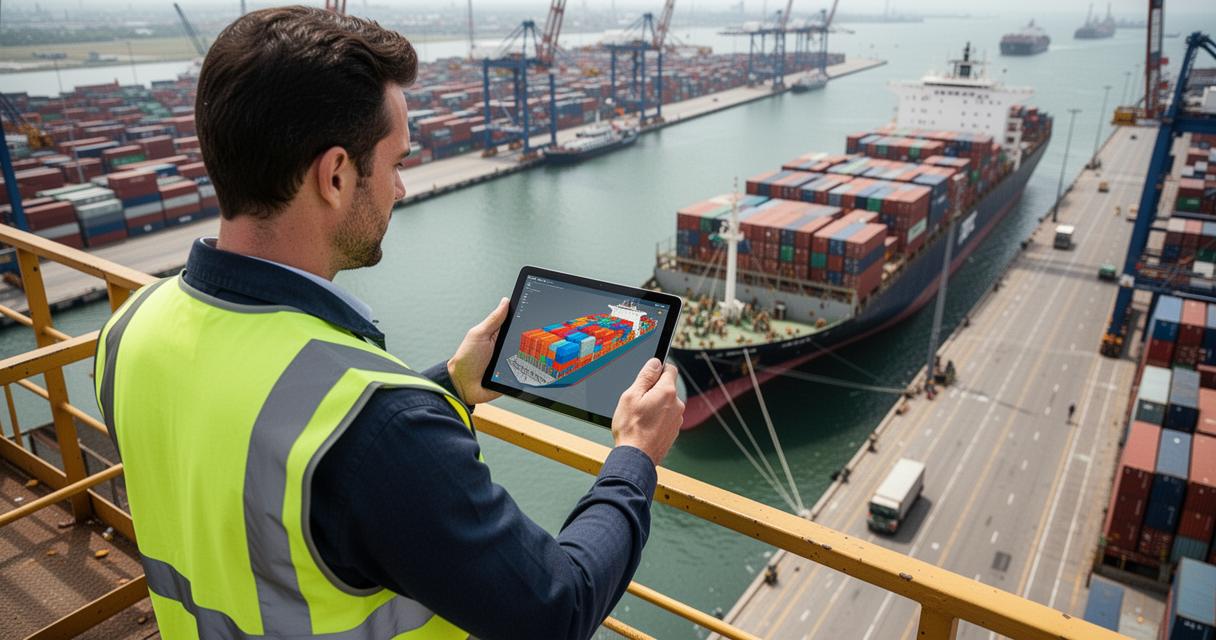
A TEU, or Twenty-Foot Equivalent Unit, is the standard measure used to describe container capacity in maritime freight. As the name suggests, it corresponds to a container measuring twenty feet in length. The dimensions of a standard TEU are defined by its length, width, and height, and the unit is used by ports, freight forwarders, and shipping lines alike to quantify how much cargo a vessel can carry. Whether you are importing goods from France or dispatching products to a new destination across international trade routes, understanding TEU capacity helps you calculate transit costs, plan customs duties, and manage the volumetric weight of your shipment with greater precision.
Forty-foot equivalent units for larger shipments
A FEU, or Forty-Foot Equivalent Unit, is simply the equivalent of two TEUs placed end to end, offering double the volumetric capacity. For businesses shipping larger quantities of goods (whether by rail connection to inland destinations or directly to port) a FEU container can be far more cost-effective. High cube variants of the FEU offer additional height, making them particularly suited to bulky products that do not exceed strict weight limits but require extra vertical space. From a sustainability perspective, filling a FEU to its full capacity rather than shipping two half-empty TEUs directly reduces the number of container movements, cutting fuel consumption and lowering freight emissions in the process.
Optimising container space to minimise environmental impact
One of the most immediate and practical ways to reduce your carbon footprint in maritime logistics is to maximise the use of every container you book. Consolidating shipments, choosing the right container type, and understanding the difference between full container loads and less-than-container-load options are all strategies that contribute meaningfully to sustainable supply chain management.
Maximising volumetric capacity in full container loads
A Full Container Load, commonly referred to as an FCL, means that a single shipper occupies the entire container for their freight. This arrangement offers predictability in transit times, simplified customs procedures, and, crucially, a lower per-unit carbon cost when the container is loaded to its volumetric and weight capacity. Supply chain efficiency is significantly improved when products are stacked and arranged to use the full dimensions of the container (length, width, and height) without exceeding the permitted tonnage. Businesses shipping regularly to destinations such as France or along established trade lanes should work closely with their freight forwarder to ensure that each FCL shipment is as dense as safely possible, thereby reducing the effective emissions per tonne of goods transported.

Utilising less than container load options efficiently
For smaller shipments that cannot justify a full container, LCL (Less Than Container Load) offers a practical alternative. In an LCL arrangement, goods from multiple shippers are consolidated into a single container, with costs and emissions shared proportionally. While this model introduces additional handling at ports and may extend transit times, it remains a far greener choice than shipping a half-empty container or, worse, resorting to air freight. Rates for LCL shipments are typically calculated on the basis of either volumetric weight or actual weight, whichever is greater, which underscores the importance of accurate measurement before booking. A well-managed LCL strategy, guided by an experienced freight forwarder, can reduce import taxes relative to shipment weight and support broader carbon footprint reduction goals.
Sustainable freight strategies for international trade routes
The freight industry is undergoing a profound transformation, driven by tightening environmental regulations and a growing client preference for greener supply chains. Carbon visibility is increasingly becoming as important a factor in logistics decisions as cost and transit time, and businesses that fail to adapt risk losing their competitive edge.
Selecting eco-conscious maritime routes to port destinations
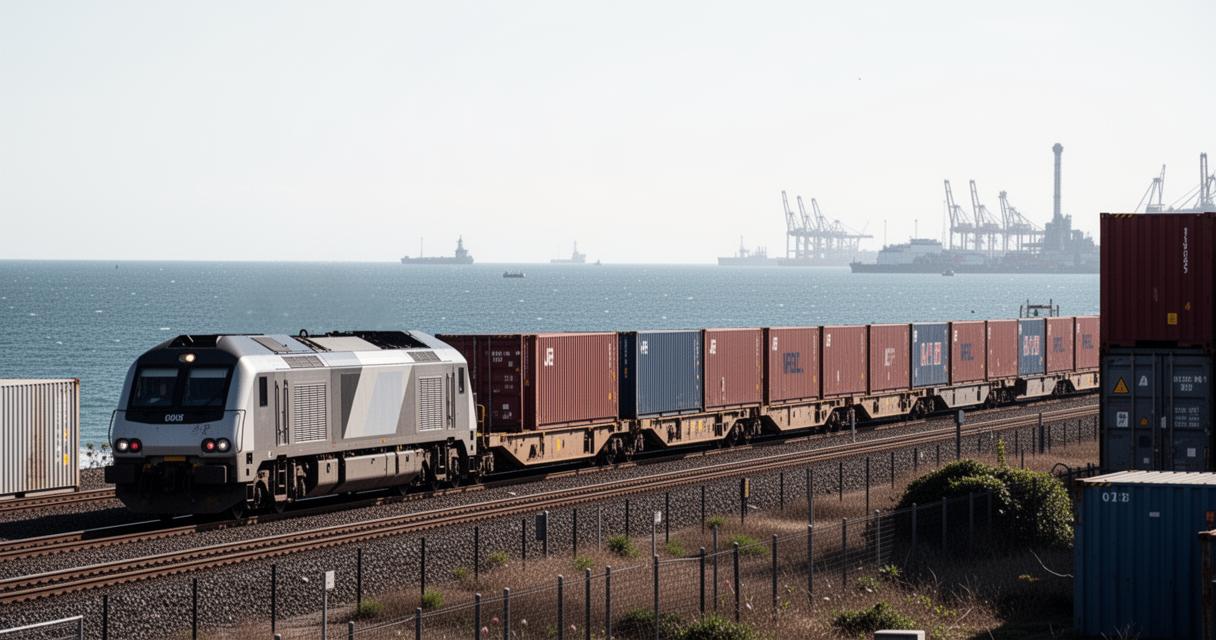
Choosing eco-efficient transport modes is one of the most impactful decisions a shipper can make. Sea freight, when compared to air transport, generates a fraction of the emissions per tonne of goods moved, and this advantage is magnified when vessels adopt slow steaming, a practice that reduces speed to lower fuel consumption and CO2 output significantly. Research into container ship operations has demonstrated that slower steaming can yield meaningful reductions in both emissions and fuel costs, making it a compelling tool for green freight forwarding. Where rail connections are available between ports and inland destinations, incorporating rail freight into multimodal journeys further reduces the environmental impact of the overall supply chain.
Working with Freight Forwarders to Streamline Green Logistics
A knowledgeable freight forwarder is an invaluable partner in building a sustainable logistics strategy. Beyond managing the commercial invoice, customs duties, and port documentation, a forward-thinking forwarder can help you consolidate shipments to avoid unnecessary container movements, partner with carriers that have verified environmental practices, and implement logistics digitalization to reduce paper use and administrative inefficiencies. Monitoring and reporting freight emissions is also an area where professional guidance proves its worth: by tracking the carbon output of each shipment (whether a TEU bound for a new market or an FEU carrying millions of units) businesses can identify inefficiencies and set credible reduction targets. Some forwarders also offer carbon offset options, allowing clients to compensate for residual emissions while longer-term structural changes are implemented across the supply chain.
Ultimately, the path to environmentally friendly shipping runs through better data, smarter consolidation, and a willingness to rethink established habits. Whether you are managing imports from China, coordinating exports to New Zealand, or navigating the complexities of customs and transit across multiple continents, the metrics of TEU and FEU are not merely technical abstractions, they are practical tools for building a leaner, greener, and more resilient freight operation.


